

Thank you for interesting in AKiCON
Bathroom Exhaust Fan Guide: How to Choose the Right Exhaust Fan
How to Choose the Right Exhaust Fan for Your Bathroom
A properly selected exhaust fan is essential for maintaining healthy indoor air quality in bathrooms and other humid spaces. Without an efficient exhaust fan, moisture, odors, and excess humidity can quickly accumulate, leading to mold growth, peeling paint, and long-term structural damage.
In modern residential construction, a high-performance bathroom exhaust fan plays a critical role in ventilation. Builders, contractors, and homeowners all rely on reliable exhaust fans to remove moisture and maintain comfortable indoor environments.
This guide explains how an exhaust fan works, why it is important, and what factors you should consider when selecting the right model for your project or home.
What Does an Exhaust Fan Do?
An exhaust fan is designed to remove humid or contaminated air from indoor spaces and expel it outside through a ventilation duct. This process improves air circulation and prevents moisture buildup.
Moisture Removal
Bathrooms generate large amounts of humidity from showers and baths. A bathroom exhaust fan helps remove this moisture before it condenses on walls and ceilings.
Odor Control
Another key benefit of an exhaust fan is removing unpleasant odors and maintaining fresh indoor air.
Mold Prevention
Excess humidity can lead to mold growth. Installing a properly sized exhaust fan significantly reduces the risk of mold and mildew.
Key Factors When Choosing an Exhaust Fan
Airflow Capacity (CFM)
Airflow is measured in CFM (Cubic Feet per Minute). A higher CFM rating means the exhaust fan can move more air and ventilate larger spaces.
Typical recommendations:
Small bathroom: 50–70 CFM
Medium bathroom: 70–100 CFM
Large bathroom: 100+ CFM
Selecting the correct airflow ensures the exhaust fan can effectively remove moisture.
Noise Level (Sones)
Noise levels for an exhaust fan are measured in sones. Lower sones indicate quieter operation.
0.5–1.0 sones: very quiet
1.5–2.0 sones: standard residential use
3.0+ sones: louder but sometimes higher airflow
A quiet bathroom exhaust fan improves comfort, especially in residential environments.
Installation Type
Different installation styles are available depending on the building structure:
• Ceiling-mounted exhaust fan
• Wall-mounted exhaust fan
• Inline exhaust fan systems
Contractors often choose models that simplify installation and maintenance.
Where Exhaust Fans Are Commonly Installed
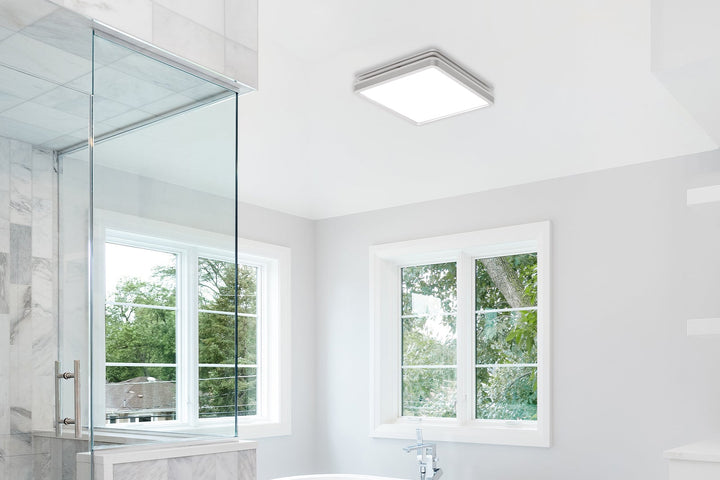
Bathroom Ventilation
The primary use of a bathroom exhaust fan is removing moisture after showers and baths.
Laundry Rooms
Laundry rooms generate heat and humidity, making an exhaust fan useful for improving ventilation.
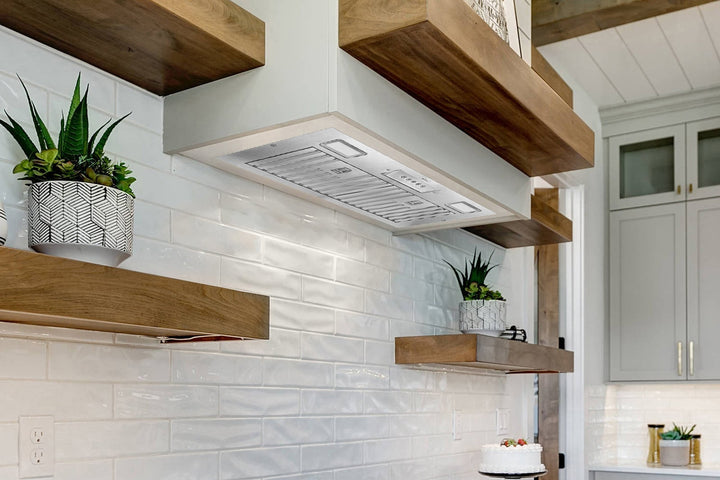
Kitchens and Utility Spaces
Some kitchens and utility rooms also use exhaust fans to remove heat, smoke, and odors.
Why Builders and Contractors Prioritize Quality Exhaust Fans
For construction professionals, selecting a reliable exhaust fan is not just about ventilation. It also affects building durability and customer satisfaction.
High-quality exhaust fans typically provide:
• Strong and stable airflow performance
• Lower operating noise
• Durable motor lifespan
• Easier installation for contractors
These features make a dependable exhaust fan an important component in modern residential ventilation systems.
Conclusion
Choosing the right exhaust fan can significantly improve indoor air quality, reduce humidity, and protect your home from moisture damage. Whether you are a homeowner planning a renovation or a contractor selecting ventilation equipment for a new project, understanding airflow, noise levels, and installation options will help you find the most suitable exhaust fan.
A well-designed bathroom exhaust fan ensures efficient ventilation and long-term reliability, making it an essential part of any modern building ventilation system.